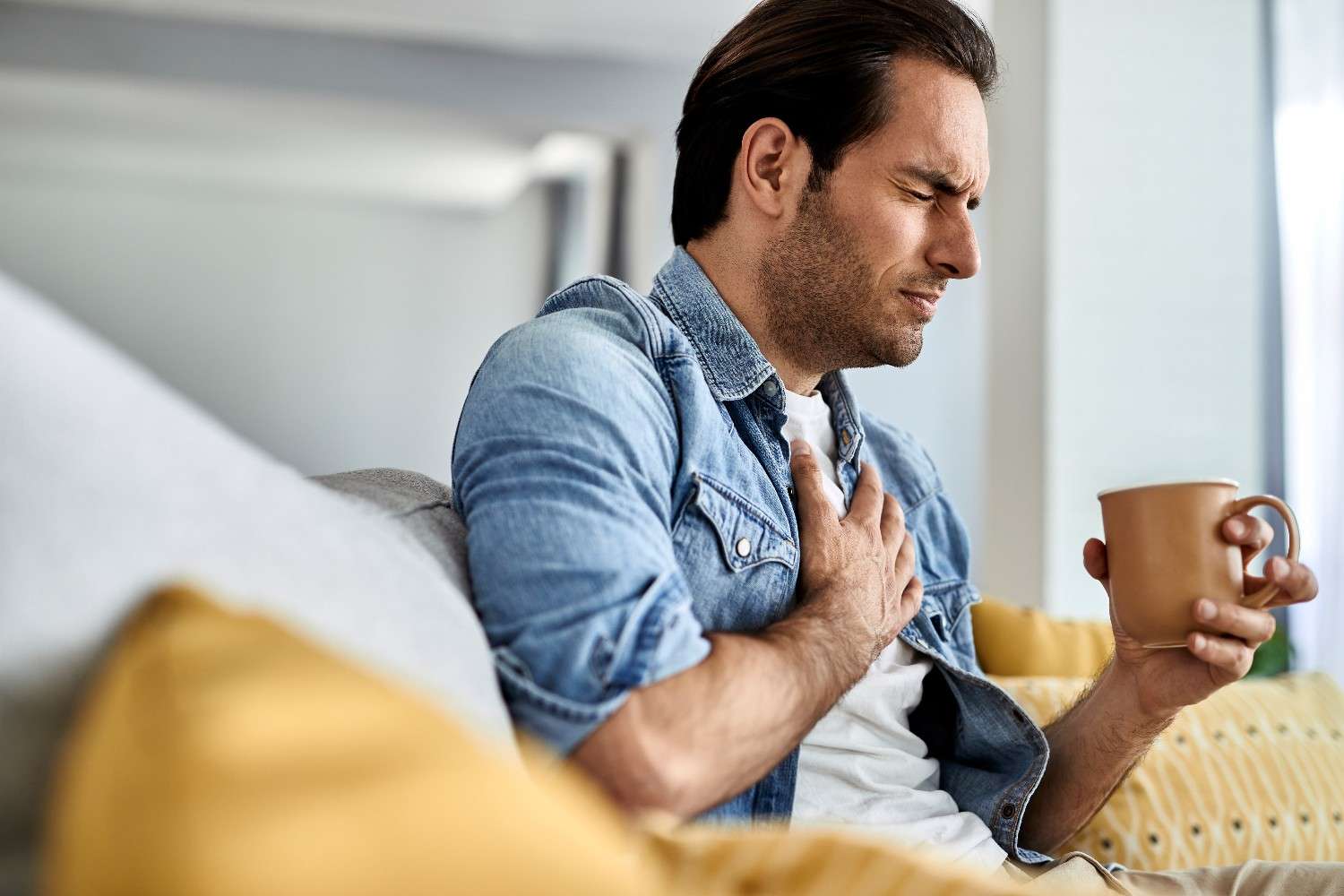
Why Do You Feel Breathless While Walking? Common Causes Explained
Do you find yourself getting short of breath while walking, climbing stairs, or performing daily activities? While occasional breathlessness after intense physical activity is normal, experiencing breathlessness during routine activities may indicate an underlying health issue that should not be ignored.
Breathlessness, medically known as dyspnea, is a common symptom that can affect people of all ages. It may be related to heart conditions, lung diseases, poor physical fitness, obesity, or even anxiety. Understanding the cause of breathlessness is the first step toward effective treatment and improved quality of life.
In this article, we explore the common causes of breathlessness while walking and when you should seek professional medical advice.
Breathlessness is the sensation of not being able to get enough air into your lungs. Some people describe it as:
While occasional shortness of breath can be normal after strenuous exercise, persistent or worsening breathlessness requires medical evaluation.
One of the most common reasons for breathlessness is physical deconditioning. Individuals who lead a sedentary lifestyle often experience shortness of breath during activities because their heart and lungs are not conditioned to handle increased physical demands.
Signs may include:
Regular exercise and supervised rehabilitation programs can help improve endurance and cardiovascular fitness.
COPD is a progressive lung disease that includes chronic bronchitis and emphysema. It restricts airflow and makes breathing difficult, especially during physical activity.
Common symptoms include:
Pulmonary rehabilitation plays a crucial role in helping COPD patients improve lung function and exercise tolerance.
Asthma causes inflammation and narrowing of the airways, making it difficult for air to move in and out of the lungs.
Symptoms may include:
Proper asthma management, medication, and breathing exercises can significantly improve symptoms.
Your heart and lungs work together to deliver oxygen throughout the body. When the heart cannot pump efficiently, the body receives less oxygen, resulting in breathlessness.
Heart-related causes may include:
Breathlessness that worsens with activity should always be evaluated for potential cardiac causes.
Excess body weight places additional strain on the heart and lungs. Carrying extra weight requires the body to work harder during movement, often leading to shortness of breath.
People with obesity may experience:
Weight management combined with structured exercise programs can help improve breathing and overall health.
Interstitial Lung Disease refers to a group of disorders that cause scarring of lung tissue, making it harder for oxygen to reach the bloodstream.
Symptoms include:
Early diagnosis and pulmonary rehabilitation can help patients maintain better lung function and quality of life.
Many individuals continue to experience breathlessness weeks or months after recovering from COVID-19 infection.
Common post-COVID symptoms include:
Pulmonary rehabilitation programs can help patients regain strength, endurance, and confidence after COVID-related lung complications.
Anxiety can sometimes cause the sensation of breathlessness even when lung and heart function are normal.
Symptoms may include:
Managing stress and learning breathing control techniques can often provide significant relief.
You should consult a healthcare professional if you experience:
Early assessment can help identify the underlying cause and prevent complications.
Your healthcare provider may recommend:
Your healthcare provider may recommend:
Your healthcare provider may recommend:
Evaluates exercise capacity and oxygen levels during activity.
Assesses heart rhythm and cardiovascular function.
Chest X-rays or CT scans may be used to identify lung abnormalities.
Cardiac and pulmonary rehabilitation programs are designed to improve breathing, physical fitness, and overall quality of life.
Benefits include:
These programs combine supervised exercise training, breathing techniques, education, and lifestyle modification to help patients recover safely and effectively.
Breathlessness while walking should never be ignored, especially if it interferes with your daily activities. While poor fitness can be a contributing factor, conditions such as COPD, asthma, heart disease, obesity, interstitial lung disease, and post-COVID complications are also common causes.
Identifying the underlying reason for breathlessness is essential for receiving the right treatment and improving your quality of life. If you or a loved one experiences persistent shortness of breath, seeking professional assessment and rehabilitation support can make a significant difference.
Schedule Your Appointment with
Dr. Saumil Bendre
At Aerovive Rehab, we provide evidence-based cardio-pulmonary rehabilitation programmes tailored to your unique health needs, helping you regain strength, improve function, and enhance quality of life.

Founder & Head Cardio-Respiratory Physiotherapist