Why Do You Feel Breathless While Walking? Common Causes Explained
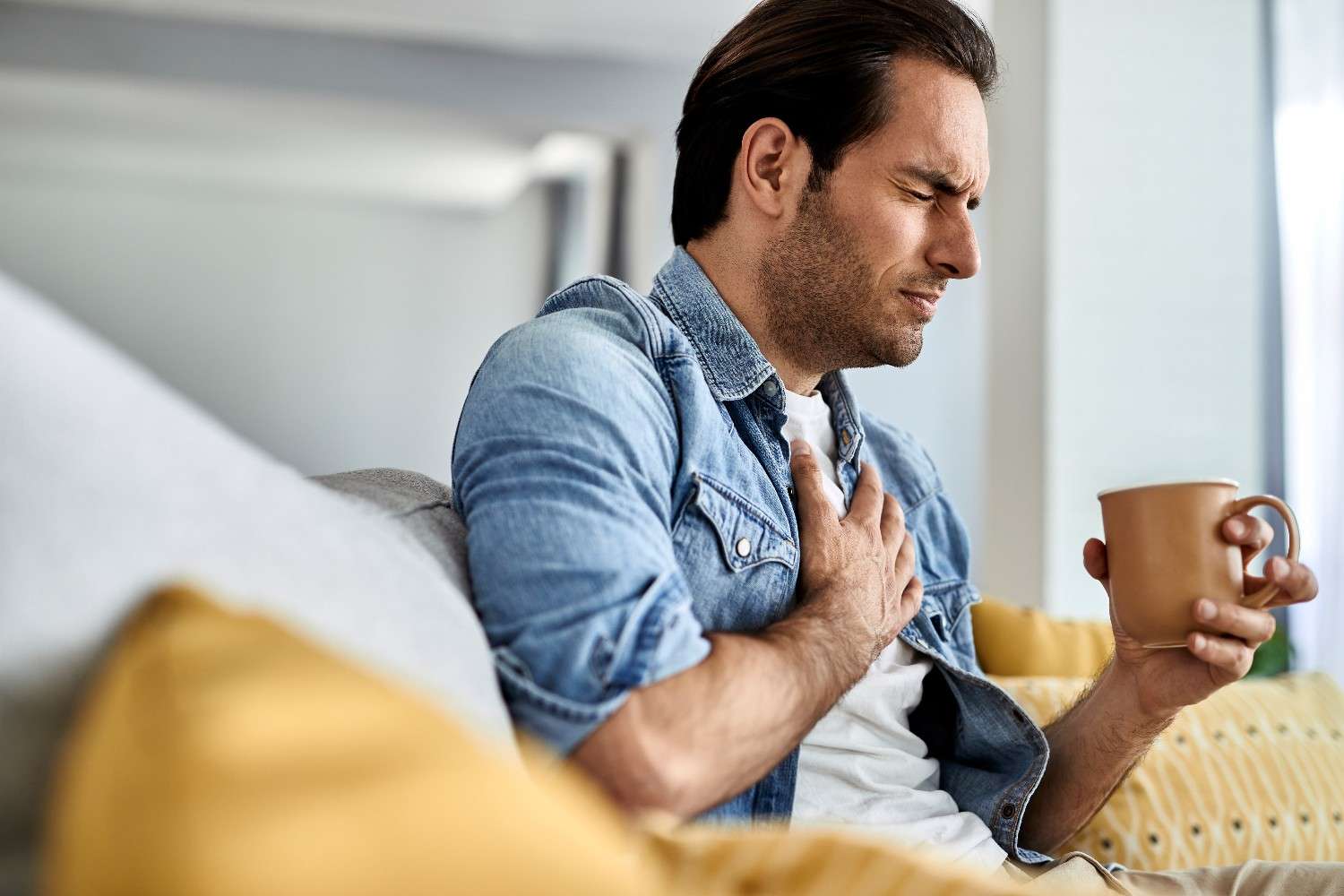
Breathing is something most people take for granted until it becomes difficult. If you experience shortness of breath while walking, climbing stairs, or performing simple daily activities, your lungs may not be functioning at their best. Many people believe medication alone is enough to manage chronic respiratory conditions, but that's not always the case.
Pulmonary Rehabilitation is a medically supervised program designed to help individuals with chronic lung diseases improve their breathing, physical fitness, and overall quality of life. It combines exercise training, breathing techniques, education, and lifestyle guidance to help patients regain independence and confidence.
In this blog, we'll explain what pulmonary rehabilitation is, how it works, who can benefit from it, and why it plays an important role in managing respiratory conditions.
Pulmonary Rehabilitation is a comprehensive treatment program for people living with chronic respiratory diseases. It focuses on improving lung function, increasing exercise capacity, reducing breathlessness, and helping patients manage their condition more effectively.
Unlike medication, which primarily controls symptoms, pulmonary rehabilitation addresses the physical limitations caused by lung disease. The program is tailored to each individual based on their medical condition, symptoms, and functional capacity.
A typical pulmonary rehabilitation program may include:
Pulmonary rehabilitation is recommended for individuals with chronic respiratory conditions that affect their ability to breathe comfortably or perform everyday activities.
People with COPD often experience breathlessness, chronic cough, mucus production, and reduced exercise tolerance. Pulmonary rehabilitation helps improve endurance, breathing efficiency, and overall quality of life.
Patients with poorly controlled asthma may benefit from breathing retraining, exercise guidance, and education that helps improve symptom management and physical fitness.
ILD causes scarring of the lungs, making breathing increasingly difficult. Pulmonary rehabilitation can help improve functional capacity and reduce breathlessness during daily activities.
People diagnosed with pulmonary fibrosis often struggle with reduced lung capacity. A structured rehabilitation program can help maintain physical activity levels and improve quality of life.
Pulmonary rehabilitation includes airway clearance techniques that help remove mucus from the lungs, reducing infections and improving breathing.
Many individuals continue to experience fatigue, breathlessness, and reduced stamina even after recovering from COVID-19. Pulmonary rehabilitation supports recovery by improving lung function and exercise tolerance.
Patients undergoing lung surgery often benefit from rehabilitation before and after the procedure to improve recovery, reduce complications, and restore physical function.
You may benefit from pulmonary rehabilitation if you:
Every rehabilitation program is personalized according to the patient's condition and goals.
The program usually begins with a detailed assessment, which may include:
Based on these findings, an individualized rehabilitation plan is created.
Treatment may include:
Exercises designed to improve endurance, muscle strength, and cardiovascular fitness.
Techniques such as diaphragmatic breathing and pursed-lip breathing help improve breathing efficiency and reduce breathlessness.
Specialized techniques to remove mucus from the lungs and improve airflow.
Understanding medications, inhaler techniques, symptom management, and lifestyle changes helps patients manage their condition more effectively.
A balanced diet supports lung function, muscle strength, and overall recovery.
Research has shown that pulmonary rehabilitation offers significant benefits for patients with chronic respiratory diseases.
Some of these benefits include:
Yes. Pulmonary rehabilitation is performed under the supervision of trained healthcare professionals who monitor your progress and adjust the program according to your individual needs.
The exercises are designed based on your current fitness level, medical history, and respiratory condition, making the program both safe and effective.
Most pulmonary rehabilitation programs last between 6 and 12 weeks, depending on the patient's condition and treatment goals.
Consistency is essential. Patients who actively participate in the program often experience noticeable improvements in breathing, endurance, and daily functioning.
Consult a healthcare professional if you experience:
Early intervention can significantly improve long-term outcomes.
Pulmonary rehabilitation is much more than an exercise program. It is a comprehensive approach to improving lung health, physical fitness, and quality of life for people living with chronic respiratory conditions.
Whether you have COPD, asthma, interstitial lung disease, pulmonary fibrosis, or post-COVID breathing difficulties, pulmonary rehabilitation can help you breathe easier, stay active, and regain confidence in your daily life.
Schedule Your Appointment with
Dr. Saumil Bendre
At Aerovive Rehab, we provide evidence-based cardio-pulmonary rehabilitation programmes tailored to your unique health needs, helping you regain strength, improve function, and enhance quality of life.

Founder & Head Cardio-Respiratory Physiotherapist